Watering Your Garden: Best Practices for Lush, Green Plants

Watering your garden may seem like a simple task, but getting it right is the key to maintaining healthy, vibrant plants. Too little water can cause plants to wither, while too much can lead to root rot and fungal diseases. This guide will walk you through the best watering practices to ensure a thriving garden all year round.

Understanding Your Garden’s Water Needs

Different plants have different water requirements. Understanding these needs is the first step toward effective watering. Here are a few factors to consider:

  • Plant Type: Succulents and drought-resistant plants need less water than leafy vegetables and flowers.
  • Soil Type: Sandy soils drain quickly and need more frequent watering, while clay soils retain moisture longer.
  • Weather Conditions: Hot, windy, and dry climates demand more water than cool, humid environments.
  • Growth Stage: Young plants and seedlings require more frequent watering than mature plants with established roots.

Best Time to Water Your Garden

Timing plays a crucial role in garden watering. The best time to water is early in the morning or late in the afternoon when temperatures are lower. This reduces water evaporation and allows plants to absorb moisture efficiently. Avoid watering at night, as prolonged moisture on leaves can lead to fungal growth and diseases.

Choosing the Right Watering Method

Selecting the appropriate watering method ensures that water reaches the roots effectively. Here are some common techniques:

1. Drip Irrigation

A drip irrigation system delivers water directly to plant roots, reducing evaporation and runoff. It is ideal for vegetable gardens, flower beds, and shrubs.

2. Soaker Hoses

These hoses slowly release water into the soil, keeping the roots moist without overwatering. They are great for garden beds and rows of plants.

3. Hand Watering with a Hose or Watering Can

This method allows for precision watering, making it useful for delicate plants, container gardens, and newly planted seedlings.

4. Sprinkler Systems

While sprinklers can cover large areas efficiently, they can lead to excessive evaporation. Use them early in the morning for best results.

Deep Watering vs. Shallow Watering

One of the biggest mistakes gardeners make is frequent, shallow watering. Shallow watering encourages weak, surface-level roots that make plants more susceptible to drought. Instead, use deep watering techniques to promote strong root growth:

  • Water thoroughly so moisture reaches at least 6-8 inches deep into the soil.
  • Water less frequently but more deeply, encouraging plants to develop resilient root systems.
  • Check soil moisture by sticking your finger or a soil moisture meter into the soil to see if water has penetrated deeply.

How to Avoid Overwatering

Overwatering is just as harmful as underwatering. Signs of overwatering include yellowing leaves, wilting despite moist soil, and root rot. To prevent this:

  • Ensure proper drainage by adding organic matter like compost to your soil.
  • Use mulch to retain moisture while preventing excess water from accumulating.
  • Allow the top inch of soil to dry out before watering again.

Conserving Water While Keeping Plants Hydrated

Water conservation is essential for sustainable gardening. Here are a few ways to use water wisely while keeping your plants healthy:

  • Mulch Your Garden: Mulching with organic materials like straw, bark, or leaves reduces evaporation and keeps the soil cool.
  • Collect Rainwater: Install rain barrels to collect rainwater for irrigation, reducing dependency on tap water.
  • Group Plants by Water Needs: Planting species with similar water requirements together ensures efficient watering.
  • Use Greywater: Reuse water from washing vegetables or dishes (without chemicals) for garden irrigation.

Special Watering Tips for Different Plants

Vegetable Gardens

  • Most vegetables need 1-2 inches of water per week.
  • Water at the base of the plants to prevent fungal diseases.
  • Increase watering during hot weather, especially for tomatoes, peppers, and cucumbers.

Flowering Plants

  • Avoid watering flower petals directly to prevent rot.
  • Perennials require deep watering every few days, while annuals need more frequent watering.

Container Plants

  • Potted plants dry out faster than those in the ground and may require daily watering in summer.
  • Ensure pots have drainage holes to prevent root rot.

Lawn Care

  • Lawns require 1 inch of water per week, preferably in one or two deep watering sessions.
  • Water in the early morning to reduce evaporation and fungal growth.

Common Watering Mistakes to Avoid

Even experienced gardeners can make watering mistakes. Here are some of the most common pitfalls and how to avoid them:

  1. Watering Too Frequently: Many gardeners think that daily watering is necessary. However, frequent shallow watering prevents plants from developing deep roots. Instead, aim for deep watering sessions spaced out over the week.
  2. Ignoring Soil Moisture: Always check the soil before watering. If the top inch is still moist, you may not need to water yet.
  3. Using Hard Water Spray: High-pressure water can damage delicate plants and compact the soil. Use a gentle shower setting or a soaker hose for an even distribution of water.
  4. Watering in the Middle of the Day: Watering when the sun is at its peak leads to excessive evaporation, wasting water and reducing its effectiveness.
  5. Not Adjusting for Rainfall: If your garden has received plenty of rain, skip a watering session to prevent overwatering.

Additional Tips for a Healthy Garden

  • Improve Soil Quality: Good soil retains moisture better, so adding organic compost can help plants stay hydrated longer.
  • Weed Control: Weeds compete with plants for water, so regular weeding will ensure that your plants get the moisture they need.
  • Monitor Weather Forecasts: Adjust your watering schedule based on upcoming weather conditions. Water more before heat waves and less during rainy spells.
  • Choose Drought-Tolerant Plants: If you live in an area with water restrictions, consider growing plants that require less water, such as lavender, rosemary, and native species.
source: Epic Gardening

Proper watering techniques can make the difference between a struggling garden and a lush, thriving one. By understanding your garden’s specific needs, using the right watering methods, and conserving water, you can create a healthy environment for your plants to flourish. Whether you’re growing vegetables, flowers, or a lawn, following these best practices will help you achieve a vibrant, green garden season after season. With mindful watering habits, you’ll not only have a beautiful garden but also contribute to a more sustainable and eco-friendly way of gardening.

The written content on this page was generated by ChatGPT.

How to Keep Your Plants Pest-Free Naturally

Gardening is a rewarding and therapeutic hobby, but nothing is more frustrating than seeing your healthy plants fall victim to pests. While chemical pesticides may offer a quick fix, they can be harmful to the environment, beneficial insects, and even your health. Fortunately, there are many natural ways to keep your plants pest-free without resorting to harsh chemicals. In this article, we’ll explore some of the best organic methods to prevent and control pests in your garden.

1. Encourage Beneficial Insects

Not all insects are bad for your garden. Many beneficial insects act as natural predators, keeping harmful pest populations in check. Some of the most effective garden allies include:

  • Ladybugs – They feed on aphids, mites, and whiteflies.
  • Lacewings – Their larvae consume aphids, thrips, and other small pests.
  • Praying Mantises – These generalist predators eat a variety of garden pests.
  • Bees and Butterflies – While not predators, they help with pollination, leading to healthier plants that can better resist pests.

To attract these helpful insects, plant flowers like marigolds, lavender, and daisies, which provide nectar and pollen. Creating a diverse garden with a mix of plants will naturally invite these insects and contribute to a balanced ecosystem.

2. Use Companion Planting

Companion planting is an age-old gardening technique where certain plants are grown together to repel pests. Some effective combinations include:

  • Marigolds and Tomatoes – Marigolds deter nematodes and aphids, protecting your tomato plants.
  • Basil and Peppers – Basil repels mosquitoes and whiteflies.
  • Garlic and Roses – Garlic helps keep aphids away from rose bushes.
  • Chives and Carrots – Chives prevent carrot flies from damaging your crop.

By strategically planting pest-repellent crops alongside your main plants, you can create a natural barrier against unwanted invaders. Additionally, interplanting a variety of flowers and herbs throughout your garden disrupts pest infestations and makes it harder for insects to locate their preferred host plants.

3. Keep Your Garden Clean

A well-maintained garden is less likely to attract pests. Regularly remove dead leaves, fallen fruit, and plant debris, as they can harbor pests and diseases. Keeping your garden free from clutter also reduces hiding spots for insects and rodents.

Additionally, rotate your crops each season to prevent soil-borne pests and diseases from establishing a foothold in your garden. Regular pruning of dense foliage allows better air circulation, making it less favorable for pests that thrive in damp, shaded environments.

4. Apply Organic Pest Sprays

If pests become a problem, you can use natural, homemade sprays to keep them at bay. Here are a few effective options:

  • Neem Oil Spray – Neem oil is a natural pesticide that disrupts the life cycle of many pests, including aphids and spider mites. Mix 2 teaspoons of neem oil with 1 quart of water and a few drops of dish soap, then spray directly on affected plants.
  • Garlic and Pepper Spray – Blend one garlic bulb, one teaspoon of cayenne pepper, and two cups of water. Let it sit overnight, strain, and spray on plants to deter insects.
  • Soap Spray – Mix one tablespoon of mild liquid soap with one quart of water. This solution suffocates soft-bodied insects like aphids and mealybugs.

These sprays should be applied in the early morning or late evening to prevent leaf burn. It’s important to test any homemade solution on a small section of the plant before applying it widely to ensure it doesn’t cause damage.

5. Use Physical Barriers

Sometimes, the best defense is a physical barrier that prevents pests from reaching your plants. Some effective options include:

  • Row Covers – Lightweight fabric covers protect crops from insects while allowing sunlight and rain to reach the plants.
  • Mulch – Organic mulch, such as straw or wood chips, can deter crawling insects and prevent weed growth, which can attract pests.
  • Copper Tape – Placing copper tape around the base of plants helps repel slugs and snails.
  • Eggshells and Diatomaceous Earth – Crushed eggshells and food-grade diatomaceous earth can be sprinkled around plants to create a barrier against soft-bodied insects.

Using barriers is particularly effective for vegetable gardens, where young seedlings are vulnerable to attack from insects and small critters.

6. Maintain Healthy Soil

Healthy soil leads to healthy plants, which are naturally more resistant to pests. Improve soil health by:

  • Adding compost and organic matter to enrich nutrients.
  • Practicing crop rotation to prevent soil depletion.
  • Avoiding over-fertilization, which can lead to excessive plant growth that attracts pests.
  • Mulching to retain moisture and suppress weeds.

When soil is rich in organic matter, it supports beneficial microbes that enhance plant immunity and outcompete harmful pathogens.

7. Handpick Pests

For small infestations, manual removal is an effective and chemical-free solution. Check the undersides of leaves for eggs and larvae, and remove pests like caterpillars, beetles, and aphids by hand or with a strong spray of water.

Encourage children or other family members to help with pest patrols—it can be an enjoyable and educational activity. If you spot larger pests like hornworms or cutworms, drop them into a bucket of soapy water to prevent further damage.

source: Hungry SciANNtist

Keeping your plants pest-free naturally is possible with a combination of preventative measures, beneficial insects, organic sprays, and good garden maintenance. By implementing these eco-friendly techniques, you can enjoy a thriving, healthy garden without relying on harmful chemicals. Not only will your plants thank you, but so will the environment!

Adopting these natural pest control strategies helps create a sustainable, balanced ecosystem in your garden. As you experiment with different methods, you’ll learn what works best for your specific garden setup. The key to success is consistency—regular monitoring and proactive pest control will keep your plants flourishing all season long.

The written content on this page was generated by ChatGPT.

Indoor vs. Outdoor Plants: Care Tips for Every Environment

Plants bring beauty, freshness, and even health benefits to any space, whether indoors or outdoors. However, the care requirements for indoor and outdoor plants vary significantly due to differences in light exposure, temperature, humidity, and environmental factors. Understanding these differences will help you cultivate thriving plants, no matter where they are placed. In this guide, we will explore the key distinctions between indoor and outdoor plants and provide essential care tips to keep them healthy and vibrant.

Understanding the Differences Between Indoor and Outdoor Plants

Indoor Plants

Indoor plants are specifically chosen for their ability to adapt to limited light and controlled environmental conditions. They thrive in spaces like homes, offices, and greenhouses where temperature and humidity levels are more stable.

These plants are typically slow-growing and require less maintenance compared to their outdoor counterparts. Because they do not have access to natural rainfall, they rely entirely on their caregivers for water and nutrients. Selecting the right indoor plant depends on factors such as available light, humidity levels, and the amount of care you can provide.

Common Indoor Plants:

  • Snake Plant (Sansevieria)
  • Peace Lily (Spathiphyllum)
  • Pothos (Epipremnum aureum)
  • Spider Plant (Chlorophytum comosum)
  • ZZ Plant (Zamioculcas zamiifolia)
  • Fiddle Leaf Fig (Ficus lyrata)

Outdoor Plants

Outdoor plants, on the other hand, are adapted to withstand changing weather conditions, from intense sunlight to heavy rain and seasonal temperature fluctuations. These plants benefit from direct exposure to sunlight and fresh air, which contributes to their robust growth and overall resilience.

Unlike indoor plants, outdoor plants have access to a natural ecosystem, including insects, pollinators, and microbial activity in the soil that supports their health. However, they are also more susceptible to environmental stressors such as strong winds, heavy rainfall, drought, and pests.

Common Outdoor Plants:

  • Roses (Rosa spp.)
  • Lavender (Lavandula)
  • Sunflowers (Helianthus)
  • Marigolds (Tagetes)
  • Ferns (Nephrolepis)
  • Fruit-bearing plants (Tomatoes, Peppers, Strawberries)

Essential Care Tips for Indoor Plants

1. Light Requirements

Most indoor plants prefer indirect sunlight. Placing them near a window with filtered light is ideal for ensuring healthy growth. Some plants, such as succulents and cacti, can tolerate bright, direct light, while others, like ferns, thrive in lower light conditions.

If your space lacks sufficient natural light, consider using grow lights to supplement plant growth. Rotating your plants occasionally ensures that all sides receive equal exposure to light, preventing uneven growth.

2. Watering

Watering is a critical aspect of indoor plant care. Overwatering is a common mistake that can lead to root rot and other issues. It is best to water only when the top inch of soil feels dry to the touch. Using pots with drainage holes allows excess water to escape, preventing soggy soil conditions.

For plants that require higher humidity, such as ferns and orchids, consider misting them regularly or placing a humidity tray beneath their pots.

3. Temperature and Humidity

Most indoor plants thrive in temperatures between 65-75°F (18-24°C). It is essential to keep them away from extreme temperature fluctuations caused by heating vents, air conditioners, or drafty windows.

Some plants, particularly tropical species, require higher humidity levels to flourish. Using a humidifier or grouping plants together can help maintain the necessary moisture levels in the air.

4. Fertilization

Indoor plants benefit from occasional fertilization to replenish nutrients. Using a balanced liquid fertilizer once a month during the growing season (spring and summer) supports healthy growth. However, fertilization should be reduced or stopped during fall and winter when plant growth slows down.

5. Pest Control

Even indoor plants can be affected by pests like spider mites, aphids, and mealybugs. Regularly inspecting leaves for signs of pests and wiping them with a damp cloth can help prevent infestations. If needed, organic insecticidal soap or neem oil can be used to control pests safely.

Essential Care Tips for Outdoor Plants

1. Sunlight Exposure

Understanding the sunlight needs of each plant is crucial for healthy growth. Some plants, such as sunflowers and tomatoes, require full sun (6+ hours of direct light), while others, like ferns and hostas, thrive in shaded areas.

Placing plants in locations where they receive the appropriate amount of sunlight helps prevent sunburn and ensures optimal growth.

2. Watering Routine

Outdoor plants generally require deep, less frequent watering to encourage deep root development. Watering in the early morning or late afternoon helps reduce evaporation and allows plants to absorb moisture effectively.

Adding a layer of mulch around plants helps retain moisture, suppress weeds, and regulate soil temperature.

3. Soil Quality

Soil composition plays a vital role in plant health. Different plants thrive in different soil types—some prefer sandy, well-draining soil, while others require nutrient-rich loamy soil.

Amending the soil with compost or organic matter improves its texture, water retention, and nutrient availability.

4. Weather Protection

Outdoor plants are exposed to varying weather conditions. During extreme heat, providing shade can protect plants from sun stress. In colder months, covering plants with frost blankets can help prevent damage from freezing temperatures.

Potted outdoor plants can be moved to sheltered areas to protect them from harsh weather conditions.

5. Fertilization and Pruning

Outdoor plants typically benefit from slow-release fertilizers that provide essential nutrients over time. Regular pruning removes dead or overgrown branches, promoting better air circulation and healthier growth.

6. Pest and Disease Management

Outdoor plants are more susceptible to pests and diseases due to their exposure to various environmental factors. Common outdoor pests include caterpillars, slugs, and aphids.

Encouraging beneficial insects like ladybugs and praying mantises can help keep pest populations in check naturally. Organic pesticides or neem oil can also be used as needed.

Choosing the Right Plants for Your Environment

When selecting plants, consider your space, available light, and climate. Indoor plants are ideal for those with limited outdoor space or challenging weather conditions, while outdoor plants are perfect for gardens, patios, and balconies where they can receive ample sunlight and fresh air.

source: Epic Gardening

Whether you prefer indoor plants for their decorative appeal or outdoor plants for their natural beauty, proper care is key to ensuring their health and longevity. Understanding the specific needs of each type of plant, from light and water requirements to soil conditions, fertilization, pruning, and pest control, will allow you to create a thriving green environment in any setting. When planning your landscape, it is also beneficial to consider security features that enhance both safety and curb appeal. Well-placed outdoor lighting, motion sensor lights, security cameras, smart surveillance systems, access control gates, sturdy fencing, and strategically trimmed shrubs can improve visibility around your property while helping deter unwanted visitors. Thoughtful landscaping around entryways, walkways, and windows can complement these security features without creating hiding places, resulting in a yard that is both attractive and secure.

By following these care tips and incorporating modern security features into your landscape design, you can enjoy the benefits of gardening year-round while creating a safer outdoor environment for your family and visitors. Investing time and effort in understanding your plants’ unique needs, along with maintaining effective outdoor lighting, perimeter security, and other protective measures, will lead to a healthier garden, improved property value, enhanced home security, and a more rewarding gardening experience.

The written content on this page was generated by ChatGPT.

The Best Herbs to Grow at Home and How to Care for Them

Growing herbs at home is one of the most rewarding gardening experiences, whether you have a large outdoor garden or just a few pots on your kitchen windowsill. Fresh herbs not only enhance the flavor of your meals but also offer medicinal benefits and add a touch of greenery to your home. In this guide, we’ll explore the best herbs to grow at home and how to care for them to ensure a thriving indoor or outdoor herb garden.

Why Grow Herbs at Home?

Before diving into the list of herbs, let’s explore the benefits of growing them at home:

Fresh herbs are free from pesticides and chemicals, ensuring a healthier diet. They also save money, as buying fresh herbs can be expensive, but growing them at home is cost-effective. Having herbs readily available means no last-minute grocery store trips, and some herbs help improve indoor air quality. Additionally, gardening has therapeutic benefits, reducing stress and improving mental well-being.

Best Herbs to Grow at Home

1. Basil (Ocimum basilicum)

Why Grow It?

Basil is a versatile herb used in Italian, Thai, and Mediterranean cuisines. It thrives in warm conditions and is perfect for indoor or outdoor growing.

How to Care for Basil:

Basil needs at least 6–8 hours of direct sunlight daily. It grows best in well-draining, nutrient-rich soil. Keep the soil consistently moist but not waterlogged. Pinch off flower buds to encourage leafy growth, and regularly trim leaves to promote new growth.

2. Mint (Mentha spp.)

Why Grow It?

Mint is a hardy, fast-growing herb with a refreshing taste. It’s ideal for teas, cocktails, and desserts.

How to Care for Mint:

Mint prefers partial shade but can tolerate full sun. It thrives in moist, well-draining soil and requires frequent watering to keep the soil damp. To prevent aggressive spreading, it’s best grown in pots. Snip leaves regularly to encourage fuller growth.

3. Rosemary (Rosmarinus officinalis)

Why Grow It?

Rosemary is a fragrant herb that enhances roasted dishes and soups. It also has antimicrobial properties.

How to Care for Rosemary:

Rosemary requires 6–8 hours of direct sunlight. It grows best in well-draining, slightly sandy soil and should be allowed to dry between waterings. Trim regularly to maintain shape. If grown outdoors in cold climates, bring it indoors during winter.

4. Thyme (Thymus vulgaris)

Why Grow It?

Thyme is a low-maintenance herb with a robust flavor, perfect for seasoning meats, soups, and vegetables.

How to Care for Thyme:

Thyme needs at least 6 hours of sun and grows best in well-drained, sandy soil. It requires sparing watering, as it is drought-resistant. Trim regularly to prevent woody growth. It pairs well with other Mediterranean herbs in companion planting.

5. Oregano (Origanum vulgare)

Why Grow It?

Oregano is a staple in Italian and Greek cuisine, known for its aromatic and slightly spicy flavor.

How to Care for Oregano:

Oregano prefers full sun and light, well-draining soil. Water when the top inch of soil is dry. Pick leaves regularly to enhance growth.

6. Parsley (Petroselinum crispum)

Why Grow It?

Parsley is a popular garnish and ingredient rich in vitamins and antioxidants.

How to Care for Parsley:

Parsley grows well in partial shade or full sun. It requires rich, well-draining soil and evenly moist conditions. Snip leaves from the outside of the plant to encourage new growth.

7. Cilantro (Coriandrum sativum)

Why Grow It?

Cilantro is widely used in Mexican, Indian, and Asian dishes.

How to Care for Cilantro:

Cilantro prefers partial sun, especially in hot climates. It thrives in well-draining, fertile soil and requires regular watering without overwatering. Harvest frequently to prevent early flowering (bolting).

8. Chives (Allium schoenoprasum)

Why Grow It?

Chives have a mild onion flavor, making them a great addition to salads, soups, and eggs.

How to Care for Chives:

Chives need at least 6 hours of sun daily and grow best in rich, well-draining soil. Keep the soil slightly moist. Cut leaves from the base to encourage regrowth.

Tips for Growing Herbs Successfully

Choose the right location—herbs need adequate sunlight, so place them near a sunny window or in a well-lit outdoor spot. Ensure pots have drainage holes to prevent root rot. Avoid overwatering, as most herbs prefer slightly dry conditions over waterlogged soil. Use organic compost or a balanced liquid fertilizer every few weeks. Rotate herbs occasionally for even sunlight exposure. Some herbs grow better together, such as basil and tomatoes, which complement each other’s growth.

source: Gardenary

Growing herbs at home is a simple and rewarding way to enhance your cooking, improve your health, and add natural beauty to your space. Just as maintaining a healthy garden requires proper care, protecting your home with dependable security features is equally important. Homeowners often invest in high-security locks, smart locks, deadbolt installation, and keyless entry systems to safeguard the spaces where they grow, cook, and relax. Professional locksmith services can assist with lock installation, lock repair, rekeying, key duplication, broken key extraction, lock replacement, and home security upgrades, helping ensure that your property remains secure while you enjoy your indoor or outdoor herb garden. By choosing the right herbs and providing them with the proper care, you can enjoy fresh, flavorful herbs year-round, knowing your home is protected with reliable security solutions.

Start with a few herbs that suit your cooking style and expand as you gain confidence. With a little effort and attention, you’ll have a thriving herb garden that will benefit you for years to come. At the same time, don’t overlook the value of routine residential locksmith services and modern security systems. Upgrading to electronic locks, access control solutions, door hardware, and reinforced entry points can provide additional peace of mind. Whether you have a small kitchen garden or a spacious backyard, combining a flourishing herb garden with dependable home security, emergency locksmith assistance, and quality locking solutions creates a safer, more enjoyable place to live.

The written content on this page was generated by ChatGPT.

How to Grow Fruits and Vegetables in Your Backyard Garden

Growing your own fruits and vegetables in your backyard is one of the most rewarding and sustainable ways to enjoy fresh, organic produce. Not only does it provide a cost-effective way to access healthy food, but it also promotes self-sufficiency and enhances the beauty of your outdoor space. Whether you’re a beginner or an experienced gardener, this guide will walk you through the essential steps to cultivate a thriving backyard garden.

Choosing the Right Location

Selecting the right location is crucial for a successful garden. Most fruits and vegetables require at least 6-8 hours of direct sunlight daily. Well-draining soil rich in organic matter is essential to support plant growth. Additionally, ensure your garden is close to a water source for easy irrigation and positioned in a place that can be fenced or protected from animals.

Consider the microclimate of your yard. Some areas may receive more wind, while others retain heat better. Observe the sun’s path throughout the day to identify the best spots for different plants. Raised beds or container gardening can be great alternatives if your soil is poor or space is limited.

Selecting the Best Fruits and Vegetables

The success of your backyard garden depends on choosing the right plants based on your climate, space, and personal preferences.

Vegetables such as tomatoes, lettuce, carrots, peppers, and zucchini are easy to grow and yield high results. Fruits like strawberries, blueberries, apples, grapes, and lemons thrive well in different backyard settings. Understanding the specific needs of each plant ensures a productive harvest.

If you have limited space, opt for vertical gardening techniques, such as trellising cucumbers, beans, and vine-growing fruits. If you live in a colder climate, consider growing hardy crops like kale, Brussels sprouts, and rhubarb.

Preparing the Soil

Healthy soil is the foundation of a productive garden. Start by testing the soil with a kit to check pH levels and nutrient content. Improve soil structure by adding compost, aged manure, or organic matter. Ensure proper drainage by avoiding heavy clay soil and amending it with sand or organic material. Crop rotation also helps prevent nutrient depletion.

Adding mulch such as straw, grass clippings, or wood chips can help maintain soil moisture, suppress weeds, and provide nutrients as it breaks down. Worm composting (vermiculture) can also introduce beneficial microorganisms that improve soil fertility.

Planting Your Fruits and Vegetables

Decide whether to start from seeds or seedlings. Seeds are more cost-effective but take longer to mature, while seedlings are easier to establish but may be more expensive.

Follow spacing guidelines to prevent overcrowding, which can lead to poor air circulation and disease. Ensure you plant at the right depth according to seed packets or plant labels. Mulching the soil helps retain moisture and suppress weeds, ensuring healthy plant growth.

Companion planting is another technique to boost plant health. Pairing plants like basil with tomatoes can deter pests, while marigolds can protect against nematodes in vegetable gardens.

Watering and Irrigation

Proper watering is essential for plant health. Water early in the morning to reduce evaporation and prevent fungal diseases. Deep watering encourages strong root growth. Drip irrigation or soaker hoses provide consistent moisture without overwatering. Regularly monitor soil moisture using a moisture meter or by checking the soil by touch.

Consider rainwater collection as an eco-friendly irrigation option. Installing a rain barrel can provide a sustainable water source during dry spells. Avoid watering leaves directly to minimize the risk of fungal infections—target the roots instead.

Protecting Your Garden from Pests and Diseases

Pests like aphids, caterpillars, slugs, and snails can damage your plants. Use insecticidal soap, handpick pests, or apply organic neem oil to control infestations. Prevent plant diseases by practicing crop rotation, maintaining proper spacing for good airflow, and using organic fungicides such as baking soda spray or neem oil.

Encouraging natural predators like ladybugs, praying mantises, and birds can help keep harmful insects in check. Installing bird feeders or insect hotels can attract these beneficial creatures to your garden. Additionally, using row covers can protect delicate plants from pest infestations.

Harvesting and Storing Your Produce

Knowing when and how to harvest ensures the best flavor and nutrition. Tomatoes should be picked when fully colored but firm, while leafy greens can be harvested by picking outer leaves to encourage continued growth. Root vegetables should be gently pulled when they reach full size, and fruits should be picked when they easily detach from the plant.

For storage, refrigerate leafy greens and berries, store root vegetables in a cool, dark place, and freeze or can excess produce to preserve freshness.

Curing root vegetables such as onions, garlic, and potatoes before storage can extend their shelf life. Dry herbs like basil, thyme, and oregano by hanging them upside down in a cool, dry place before storing them in airtight containers.

source: Carrie Rad

Growing fruits and vegetables in your backyard is a fulfilling and beneficial activity that provides fresh food, reduces grocery costs, and enhances your outdoor space. By choosing the right location, preparing the soil, and following proper planting and care techniques, you can enjoy a thriving garden year after year.

Starting small is the key to creating a productive and secure backyard garden. Don’t feel pressured to cultivate an extensive garden right away. Begin with a few easy-to-grow crops and gradually expand as you gain confidence. As your garden grows, consider incorporating garden security features to help protect your investment. Installing security lighting, motion sensor lights, security cameras, and sturdy garden fencing can help deter trespassers, discourage wildlife, and provide peace of mind. Lockable storage sheds are also valuable for keeping gardening tools, fertilizers, and equipment safe from theft.

Gardening is an ongoing learning process, and experimenting with different plants, techniques, layouts, and smart irrigation systems will help you discover what works best for your unique space. You may also want to add gates with secure locks, privacy hedges, or decorative fencing to create a safer and more organized growing environment while enhancing your property’s overall appearance.

With patience, dedication, and the right approach, you can transform your backyard into a flourishing food source that provides nourishment and satisfaction for years to come. Combining successful gardening practices with modern home security solutions, outdoor lighting, surveillance cameras, and thoughtful landscape design helps protect your harvest while creating a safer, more enjoyable outdoor space for your family.

The written content on this page was generated by ChatGPT.
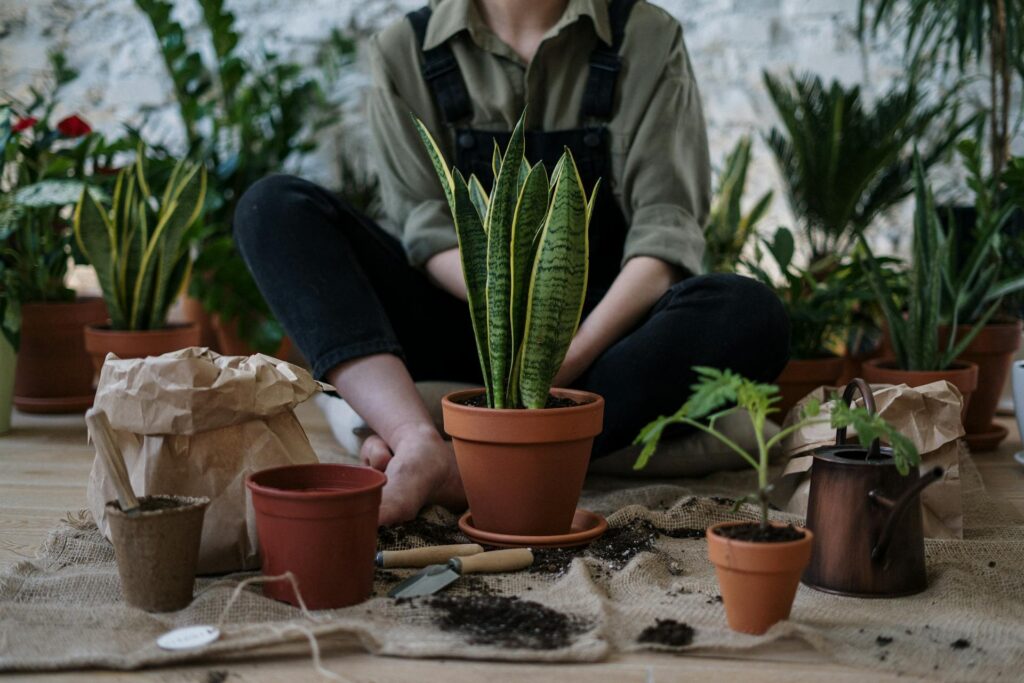
Common Plant Care Mistakes and How to Avoid Them

Gardening can be such a rewarding hobby. There’s something truly special about watching your plants grow, thrive, and blossom with a little bit of love and care. But like anything, it takes a little know-how. If you’re new to gardening—or even if you’ve been doing it for a while—you might find yourself making a few common mistakes along the way. I know I have! In this article, we’re going to talk about those little errors that can set your plants back and how to avoid them, so your garden will flourish the way you’ve always dreamed.

1. Overwatering or Underwatering Your Plants

It’s easy to think that plants need constant water to grow strong. But believe me, one of the most common mistakes is overwatering—or the opposite, underwatering. Finding that sweet spot can make a huge difference.

Why It Happens:

  • Overwatering is tempting because we want to nourish our plants. But too much water suffocates the roots, leads to root rot, and can cause mold to develop.
  • Underwatering, on the other hand, stresses the plants, causing wilting, yellowing leaves, or even death if it goes on too long.

How to Avoid It:
Check the soil before watering! Stick your finger into the soil—if it feels dry about an inch deep, it’s time to water. If it’s still moist, hold off. I also recommend getting pots with proper drainage to avoid water pooling at the bottom. Plants don’t like “wet feet.”

2. Not Giving Your Plants Enough Sunlight

Sunlight is crucial for plant growth, but not all plants need the same amount. Some plants love the sun, while others prefer a bit of shade.

Why It Happens:

  • Too little sunlight and your plant will start to stretch toward the light, becoming weak and leggy.
  • Too much sunlight can scorch the leaves and burn your plant, especially in the heat of summer.

How to Avoid It:
Do a little homework on your plant’s sunlight needs. Some plants, like succulents, love the sun, while others, like ferns, prefer indirect light. A good rule of thumb? If your plant seems to be “reaching” for more light, it likely needs more sun.

3. Using the Wrong Soil

It’s easy to forget that soil plays a huge role in a plant’s success. Different plants thrive in different types of soil, and using the wrong kind can cause all kinds of issues.

Why It Happens:

  • Some plants need well-draining soil, while others like it rich and moist. If you’re not using the right soil, your plant might not get the nutrients it needs, or it could suffocate.

How to Avoid It:
Make sure you’re using the right soil for your plants. For example, cactus and succulents need a fast-draining mix, while vegetables and flowers typically do well in nutrient-rich garden soil. You can also mix in compost to improve the texture of your soil. It’s like giving your plants a nice, cozy home!

4. Ignoring Pests and Diseases

If you’ve ever gone outside to check on your plants and noticed tiny critters or weird spots on your leaves, you know the frustration. It’s easy to overlook pests or early signs of disease, but ignoring them can lead to bigger problems.

Why It Happens:

  • Pests like aphids, mealybugs, and spider mites often sneak in and start doing damage before we even notice.
  • Diseases can spread quickly if not caught early, causing wilting, yellowing, or moldy spots.

How to Avoid It:
Check your plants regularly, especially under the leaves. If you spot pests, don’t panic—just wipe them off with a damp cloth or spray them gently with an insecticidal soap. For fungal issues, try to give your plants more space for airflow and remove any infected parts to stop the spread.

5. Not Pruning or Deadheading Regularly

It can be tempting to let plants do their own thing, but a little pruning and deadheading can make a world of difference. When you remove dead flowers or stems, your plants can focus their energy on new growth.

Why It Happens:

  • Sometimes, we forget to trim off the spent blooms or cut back dead branches. It’s easy to let things slide, but this simple task keeps your plants healthy and looking their best.

How to Avoid It:
Make a habit of deadheading flowers once they start to fade. This helps encourage more blooms. And prune shrubs and trees to remove dead or damaged branches, giving them room to grow. Regular maintenance makes a world of difference!

6. Overfertilizing or Underfertilizing

Fertilizing your plants is a great way to give them the nutrients they need, but applying too much or too little can throw everything off balance.

Why It Happens:

  • Overfertilizing can burn the roots or cause excess growth that weakens the plant.
  • Underfertilizing means your plants aren’t getting enough nutrition, which can stunt their growth.

How to Avoid It:
Follow the instructions on the fertilizer label carefully. It’s better to err on the side of caution and use less than too much. Slow-release fertilizers are a great option—they feed your plants gradually and are less likely to cause issues.

7. Choosing the Wrong Plants for Your Space

Not all plants are created equal, and it’s easy to fall into the trap of picking something that isn’t suited for your environment.

Why It Happens:

  • Some plants simply aren’t meant for your climate or light conditions. You might fall in love with a tropical plant, but it could wilt if you live in a dry or cold area.

How to Avoid It:
Do a little research before you start planting. Look into your local climate zone and choose plants that thrive there. If you’re gardening indoors, make sure your plant can thrive in the light levels and temperature of your home. And if you’re new to gardening, start with plants that are hardy and low-maintenance.

source: Pick Up Limes

Gardening is all about learning and experimenting. We all make mistakes, but the key is recognizing them and learning from them. By avoiding these common mistakes, you’ll find that your plants will be healthier, happier, and more likely to thrive. Take your time, enjoy the process, and soon you’ll have the garden of your dreams.

The written content on this page was generated by ChatGPT.

How to Prepare Your Soil for Healthy Plant Growth

If you’re dreaming of a lush garden with flourishing plants, the journey begins right beneath your feet—your soil. The condition of your soil plays a vital role in determining whether your plants will thrive or struggle. Fortunately, preparing your soil for healthy growth isn’t a difficult task, but it does require a bit of knowledge and effort. Here’s a guide to help you get your soil in top shape, ensuring it provides your plants with everything they need to grow strong and healthy.

How to Prepare Your Soil for Healthy Plant Growth

Know Your Soil Before You Start

The first step in soil preparation is understanding what you’re working with. Not all soil is created equal, and knowing the type of soil in your garden will guide you toward the right improvements.

The Importance of Soil Testing

Soil testing might sound a bit technical, but it’s one of the most effective ways to give your garden the best start possible. It helps you understand what’s going on beneath the surface—your soil’s pH level, its texture, and its nutrient content. Many local garden centers offer affordable testing kits, or you can even collect a sample and send it off to a lab for analysis. By knowing your soil’s strengths and weaknesses, you can take the right steps to make it ideal for planting.

What you’ll learn from a soil test:

  • pH Level: Plants have different preferences when it comes to soil acidity. Knowing whether your soil is acidic, neutral, or alkaline can help you decide which amendments to add.
  • Nutrient Content: A soil test reveals whether your soil has enough nutrients like nitrogen, phosphorus, and potassium. If not, you’ll know what to add.
  • Soil Texture: Whether your soil is sandy, clayey, or loamy will affect how you prepare it. Each type has its own specific needs.

Transforming Your Soil: Improving Texture and Structure

Soil texture affects how well water drains, how easy it is for plant roots to grow, and how nutrients are held. If your soil is too heavy, it could be full of clay, which holds water and becomes compacted. If it’s too light, like sandy soil, it could drain too quickly, leaving your plants dry.

Adding Organic Matter

One of the simplest and most effective ways to improve soil structure is by adding organic matter. This could be compost, manure, or other organic materials. Not only does it improve soil texture, but it also adds nutrients and supports the microbes that break down organic matter and make it available to your plants.

How to do it:

  • Compost: This is the gold standard for enriching your soil. Spread 2-4 inches of compost over the garden bed and work it into the top layer of soil.
  • Manure: Well-aged manure is a great natural fertilizer that also improves soil structure. However, be careful to use manure that’s fully decomposed to avoid burning your plants.
  • Cover Crops: Growing crops like clover or beans, then cutting them down and incorporating them into the soil, helps add organic matter and even fixes nitrogen in the soil.

Improving Clay Soil

If you’re dealing with clay-heavy soil, don’t fret! There are several ways to loosen it up so that water can drain and roots can breathe. Add organic matter to break up compacted soil and improve drainage. You can also add coarse sand or perlite, but make sure to mix them in thoroughly.

Improving Sandy Soil

On the flip side, sandy soil often drains too quickly, leaving plants without enough water. Adding organic matter will help bind the soil particles together, allowing it to retain moisture longer. Mulch can also help keep the soil cool and moist.

Adjusting Soil pH for Optimal Growth

The pH of your soil affects how well your plants can access nutrients. If your soil is too acidic or too alkaline, your plants may struggle to absorb what they need, even if those nutrients are present.

Lowering pH (Making It More Acidic)

If your soil is too alkaline, you might need to add sulfur or peat moss to make it more acidic. Pine needles and oak leaves can also help lower the pH gradually. Plants like blueberries and azaleas thrive in slightly acidic soil, so adjusting the pH is key to their success.

Raising pH (Making It More Alkaline)

If your soil leans toward acidity, you can raise the pH by adding lime. This works especially well in clay or loamy soils that are too acidic. Lime also adds valuable calcium to the soil, which supports strong cell walls in plants.

Fertilizing for Healthier Plants

Even the best-prepared soil can benefit from a little extra nutrition. Fertilizing your soil ensures that your plants have the nutrients they need to grow strong and healthy. You can choose between organic fertilizers, like compost or fish emulsion, or chemical ones, depending on your preference.

When to Fertilize

Fertilize before planting to give your plants a good head start, and consider adding additional fertilizer throughout the growing season, especially if your soil test indicated nutrient deficiencies.

Aerating Your Soil: Letting It Breathe

If your soil is compacted, it can be difficult for roots to grow and for water to reach the plants. Aeration is a simple solution that can make a big difference. Use a garden fork or a manual aerator to break up the soil and allow oxygen to reach plant roots.

The Benefits of Aeration

  • Promotes deeper root growth.
  • Improves water drainage.
  • Helps soil microorganisms thrive.

Final Tips for Healthy Soil

Once you’ve prepared your soil, don’t forget the finishing touches. Mulch is an excellent way to retain moisture, suppress weeds, and keep your soil temperature consistent. Use organic materials like straw, shredded leaves, or wood chips for the best results.

Watering your garden is another important consideration. Make sure to water deeply but infrequently, allowing your soil to dry out slightly between waterings. This encourages strong root growth and helps plants become more resilient.

source: GrowVeg

Preparing your soil for healthy plant growth is a process that requires patience and care, but it’s worth every effort. By understanding your soil’s needs and making the right amendments, you’ll create a fertile environment where your plants can thrive. Healthy soil is the key to a healthy garden, so take the time to prepare it properly, and you’ll be rewarded with a lush, vibrant garden season after season.

The written content on this page was generated by ChatGPT.

Top 10 Must-Have Gardening Tools for Beginners

Starting a garden can feel like a big project, especially if you’re new to it. But here’s the thing: You don’t need to spend a fortune on fancy tools to make it happen. The key is having the right tools—simple tools that will help you enjoy the process without feeling overwhelmed. Over the years, I’ve figured out which tools are absolutely essential for any beginner, and today, I’m sharing my top 10 picks. These tools will help you keep things organized, tidy, and most importantly—fun!

Top 10 Must-Have Gardening Tools for Beginners

1. Trowel: Your Best Friend for Planting

When I first started gardening, I didn’t realize how much I’d rely on a trowel. It’s such a simple tool, but it makes planting so much easier. The best part? It’s perfect for digging small holes, scooping soil, and moving plants without causing damage.

Honestly, you can’t go wrong with a trowel. If you’re planting herbs in small containers or digging little holes for your garden, this tool will be your go-to.

What it does:
It’s perfect for digging holes, scooping soil, and even lifting small plants or seedlings.

2. Hand Pruners: For Keeping Things Neat

At first, I thought pruners were just for trimming rose bushes. But, I quickly learned that they’re incredibly useful for almost every plant in the garden. Whether it’s cutting back spent flowers or shaping your plants, a good pair of hand pruners can help keep your garden looking neat.

The key is to make clean cuts—it helps your plants heal better and grow stronger. Trust me, your plants will thank you!

What they do:
Pruners help you trim and shape your plants. They’re perfect for cutting back dead growth, shaping bushes, and even harvesting herbs.

3. Garden Gloves: Protect Your Hands

I don’t know about you, but my hands take a beating in the garden. Between thorns, rough soil, and occasional splinters, it didn’t take long for me to realize that a solid pair of garden gloves was an absolute necessity.

They’re not just about protection—they also help you get a better grip on your tools, which means less frustration while you’re working.

What they do:
Garden gloves protect your hands from cuts, dirt, and harsh chemicals while giving you better control over your tools.

4. Garden Fork: Breaking Up That Hard Soil

At first, I was intimidated by soil prep. But a good garden fork made all the difference. If you’ve got soil that’s compacted or a bit tough, this tool breaks it up like magic. It also helps with turning compost and aerating the soil.

I’ve used mine for everything from turning soil before planting to loosening up hardened dirt in my raised beds. Once you start using one, you’ll wonder how you ever got by without it.

What it does:
Garden forks break up compacted soil, turn compost, and even loosen the dirt in garden beds.

5. Watering Can: Don’t Overthink It—Just Water

Watering might seem simple, but trust me, you need the right tools for it. I used to struggle with getting water where it was needed most—until I bought a watering can. The long spout helps direct the water right to the base of your plants, avoiding waste and keeping the leaves dry. Plus, it’s lightweight and easy to carry around.

I also love the quiet, peaceful process of watering with a can. It feels like an essential part of the gardening experience.

What it does:
It helps you water plants gently and precisely, ensuring they get the hydration they need without disturbing the soil too much.

6. Hoe: Keeping Weeds in Check

Weeds are the worst, aren’t they? But I’ve found that a hoe is the most efficient way to handle them. It’s great for clearing out weeds from garden beds without having to kneel down and pull them by hand. The sharp edge makes quick work of unwanted plants, and I’ve even used it for cultivating soil when I want to prepare a fresh patch for planting.

What it does:
A hoe helps you clear out weeds and loosen the soil. It’s great for making your garden beds look neat and tidy.

7. Rake: Clearing Clutter and Spreading Mulch

If you’ve got a lot of leaves or debris around your garden, a rake is a must. I use mine for everything from gathering fallen leaves to spreading compost evenly across my flower beds. It’s also great for smoothing out soil before planting and making sure everything looks nice and even.

What it does:
Rakes help gather debris and level out soil. They’re also handy for spreading mulch or compost evenly across your garden.

8. Garden Kneeler: Taking Care of Your Knees and Back

Here’s something I didn’t think about when I started gardening: the toll it takes on your body! Kneeling and bending down repeatedly can be tough on your knees and back. That’s why a garden kneeler is such a game-changer. Not only does it give you a soft, cushioned place to kneel, but it can also flip over to become a seat when you need a break.

What it does:
It protects your knees and back by giving you a comfortable place to kneel or sit while you work.

9. Soil Tester: Know What Your Soil Needs

When I first started gardening, I had no idea what my soil was like. Was it too acidic? Too alkaline? A soil tester helped me figure that out. It’s a small tool that tells you the pH and nutrient levels of your soil, helping you understand what amendments or fertilizers you need to add. It’s a small investment that can save you a lot of guesswork.

What it does:
A soil tester tells you your soil’s pH level and nutrient content, helping you make informed decisions about fertilizers and soil amendments.

10. Garden Sprayer: Keep Pests in Check

I’ll admit, I didn’t use a garden sprayer for the first few years, but once I did, I realized just how useful it is. Whether you’re applying an organic pesticide or just a homemade insecticidal soap, a sprayer makes it quick and easy to cover your plants evenly and thoroughly. It’s also great for getting into hard-to-reach areas like under leaves and in between plants.

What it does:
It allows you to apply pesticides, fungicides, and even homemade remedies to your plants, helping you keep pests and diseases under control.

source: Epic Gardening

Gardening Doesn’t Have to Be Complicated

Starting out in gardening doesn’t mean you need to buy every tool you see. These 10 tools will get you off to a great start and help you maintain your garden without getting bogged down by unnecessary gadgets. Gardening is supposed to be fun, not stressful, and having the right tools can make the experience that much more enjoyable.

Remember, gardening is all about trial and error—don’t be afraid to experiment and learn as you go. With the right tools and a little patience, your garden will flourish in no time. Happy gardening!

The written content on this page was generated by ChatGPT.

Beginner’s Guide to Gardening: Essential Steps for a Thriving Garden

Gardening is a rewarding and fulfilling hobby that allows you to create a space of beauty and relaxation. Whether you’re working with a large backyard or a small balcony, starting a garden doesn’t have to be complicated. This guide covers the essential steps to help you cultivate a thriving garden tailored to your space and lifestyle.

Beginner’s Guide to Gardening: Essential Steps for a Thriving Garden

1. Pick the Perfect Spot

Your garden’s location plays a vital role in its success. Take time to observe how sunlight moves across your space throughout the day. Most vegetables and flowers need at least six hours of direct sunlight. If your space is shaded, opt for plants like ferns, impatiens, or hostas, which flourish in low-light conditions.

Tip: Begin with a manageable area—a few pots on a patio or a small raised bed can help you ease into gardening.

2. Understand Your Soil

Healthy plants start with healthy soil. Check your soil’s texture and nutrient levels using a simple test kit. Depending on the results, improve your soil by adding compost, organic matter, or specialized fertilizers.

Tip: Loamy soil—a blend of sand, silt, and clay—is considered ideal for most plant types.

3. Select Plants That Suit Your Environment

Choose plants that naturally thrive in your climate and soil. Native plants typically require less maintenance and attract local pollinators. For beginners, hardy vegetables like lettuce, radishes, and zucchini are great choices, while marigolds and sunflowers offer vibrant, low-maintenance blooms.

Tip: Read plant tags for guidance on sunlight, spacing, and watering needs.

4. Map Out Your Garden

Planning your garden layout ensures plants have enough room to grow. Place taller plants at the back and shorter ones upfront. Group plants with similar watering and sunlight needs together for easier care.

Tip: Incorporate a mix of perennials and annuals for year-round interest.

5. Master Proper Watering Techniques

Overwatering can harm plants as much as underwatering. Aim to provide about one inch of water per week, including rainfall. Water deeply and less frequently to encourage strong roots.

Tip: Water in the early morning to reduce evaporation and minimize the risk of fungal issues.

6. Feed Your Garden Naturally

Plants need nutrients to thrive. Enrich your soil with compost or use organic fertilizers tailored to your plant types. Slow-release options provide consistent nutrition over time.

Tip: Avoid over-fertilizing, as it can damage plants. Follow product instructions carefully.

7. Use Mulch to Your Advantage

Mulch helps retain soil moisture, controls weeds, and moderates soil temperature, all essential aspects of maintaining a healthy lawn and garden. Organic mulches such as shredded leaves, straw, or bark also improve soil quality as they decompose.

Tip: Keep mulch a few inches away from stems to prevent rot and pest problems.

8. Manage Weeds and Pests Naturally

Stay vigilant against weeds and pests. Regularly inspect your garden and remove weeds by hand. Introduce beneficial insects like ladybugs to naturally manage pests, and consider companion planting for pest prevention.

Tip: Planting basil near tomatoes can naturally deter harmful insects.

9. Prune for Healthier Growth

Pruning encourages healthier, fuller plants. Trim away dead or diseased branches and remove spent flowers to promote new growth.

Tip: Always use clean, sharp tools to prevent spreading diseases.

10. Enjoy the Journey

Gardening takes patience and curiosity. Not every plant will thrive, but each season offers lessons. Keep experimenting and learning what works best in your space.

Tip: Maintain a gardening journal to record successes, challenges, and ideas for next season.

source: Dig, Plant, Water, Repeat

Starting a garden is a wonderful journey that brings beauty, fresh air, and even homegrown food into your life. By following these foundational steps, you’ll build a flourishing space that grows with you. So, plant your first seed and watch your garden—and your passion—blossom.

The written content on this page was generated by ChatGPT.

Posts navigation

1 2 3 4
Scroll to top